George Nakashima at Piasa, Paris
Located in the heart of Paris, on rue du Faubourg Saint-Honoré, PIASA stands out as an auction house combining elegance and authenticity, celebrating art and design. Founded in Paris in 1996, PIASA today embraces creation from the 20th and 21st centuries.
My friend Bertrand Defline kindly invited me there to visit their exhibition devoted to the work of George Nakashima (1905–1990), the celebrated Japanese-American designer and woodworker, many times awarded and honoured.
Born in Washington State in 1905, George Nakashima studied architecture and fine arts in France, then at the University of Washington and finally at MIT, before travelling the world — Europe, India, China, Japan — where he settled for a time to work in the office of Antonin Raymond, a Czech architect who lived and worked in the United States and Japan, a pioneer of modern architecture in Japan, recipient of the American Institute of Architects' Gold Medal and of the Order of the Rising Sun, Gold Rays, in Japan.
A few years later, he returned to Seattle, where he partnered with Father Tibesar to open his first workshop. In 1942, in the midst of the Second World War, his Japanese origins led to his internment in a camp in Idaho. It was there that he learned traditional Japanese woodworking techniques from Gentaro Hikogawa, a Japanese master carpenter, who taught him his deep respect for trees, the use of Japanese hand tools and traditional joinery techniques. George Nakashima left the camp a year later with the help of Antonin Raymond, who offered him a workshop on his property in New Hope, Pennsylvania.
Assisted by a handful of collaborators, he practised his art in an entirely handcrafted way. In his work, he lets the nobility of the wood show through the marks of time. At first, much of his production was sold to Knoll and Widdicomb-Mueller, then to private clients. Recognised in the design world as early as the 1950s, George Nakashima received the Craftsmanship Medal of the American Institute of Architects in 1952 and a national gold medal in 1962.
G. Nakashima left his mark on the world of design with a distinctive approach blending Eastern craftsmanship with the working of the material, restraint and naturalness, and the American Studio Craft style. His works are now among the most prized collections in the world, with high sale prices ($50,000 – $200,000).
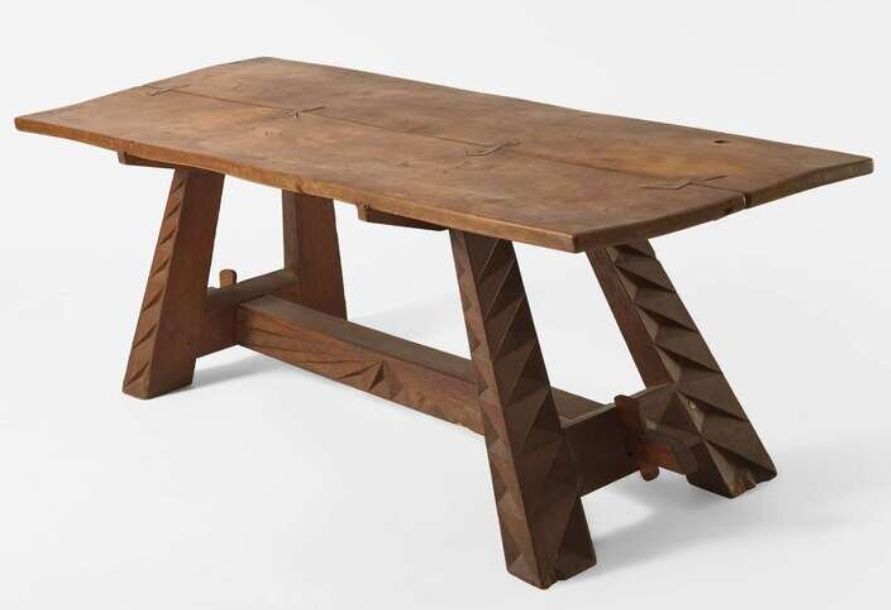
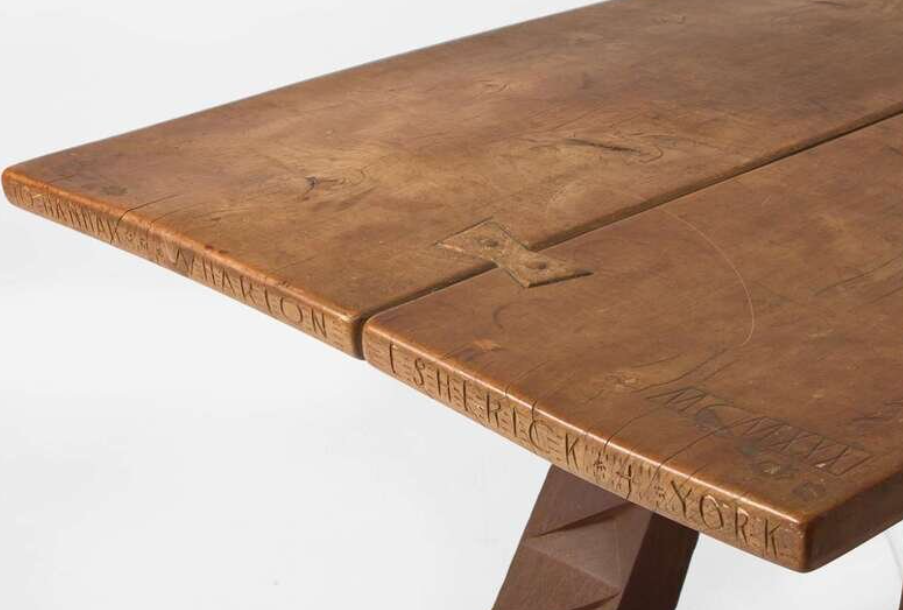
Every great designer finds inspiration in his own experiences, sensibility and imagination, but also in other designers, past or contemporary. Wharton Esherick, considered the father of the American Studio Craft movement, clearly had a major influence on Nakashima. Wharton (1887–1970) was older and paved the way, but shared with Nakashima and Sam Maloof the same philosophy: a reverence for the natural beauty of wood, a rejection of industrial production, handwork, and furniture as a work of art.
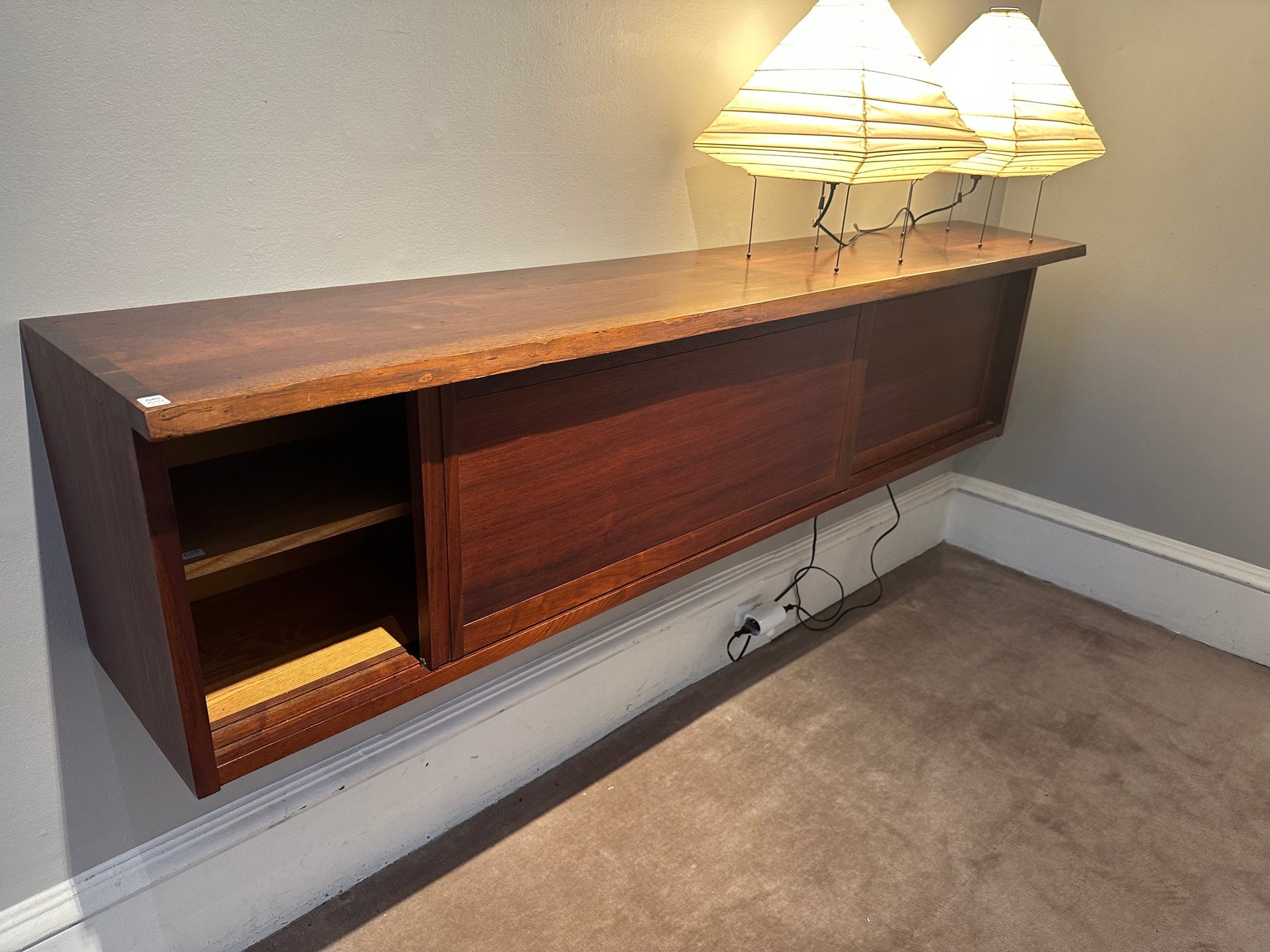
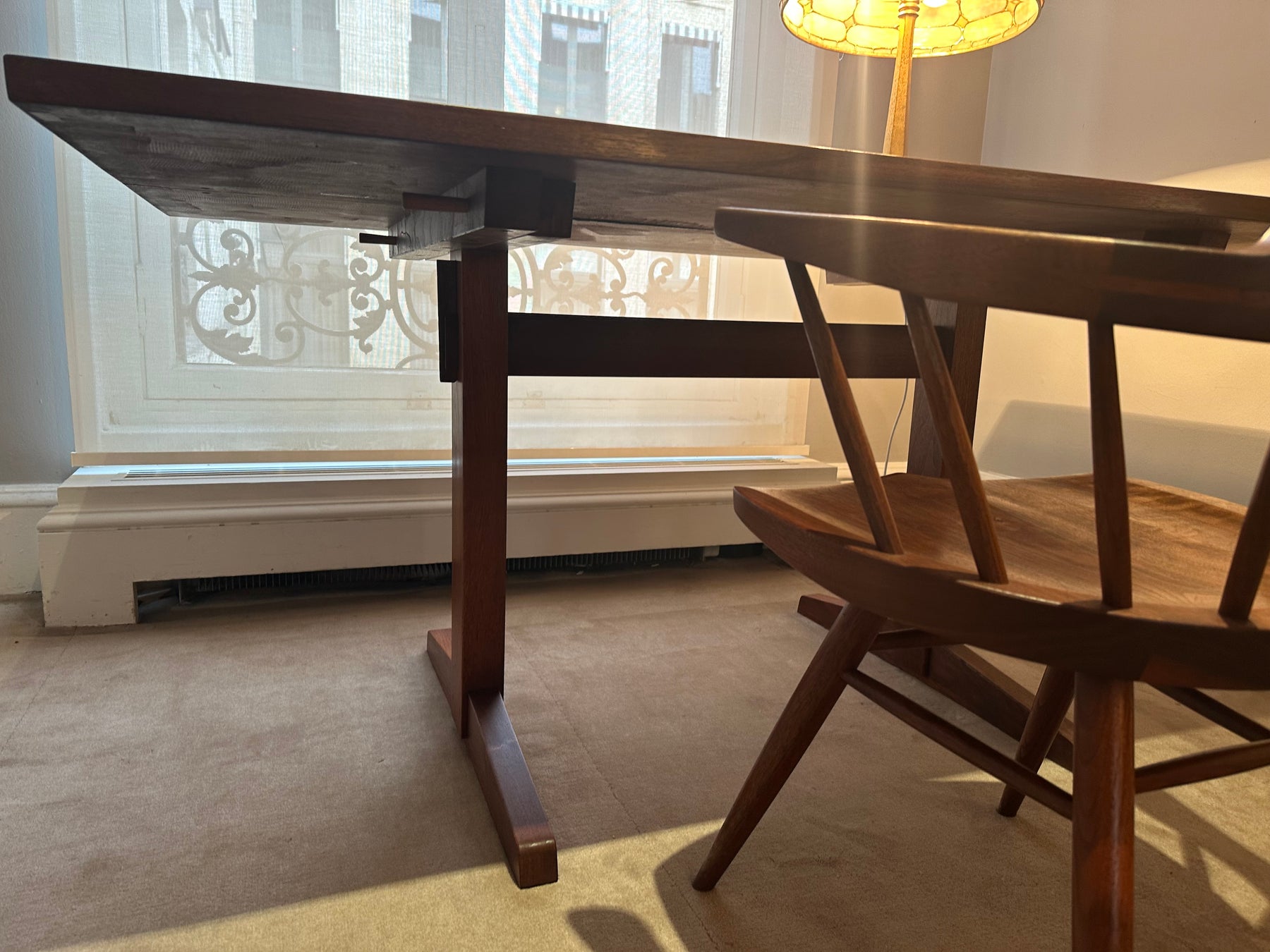
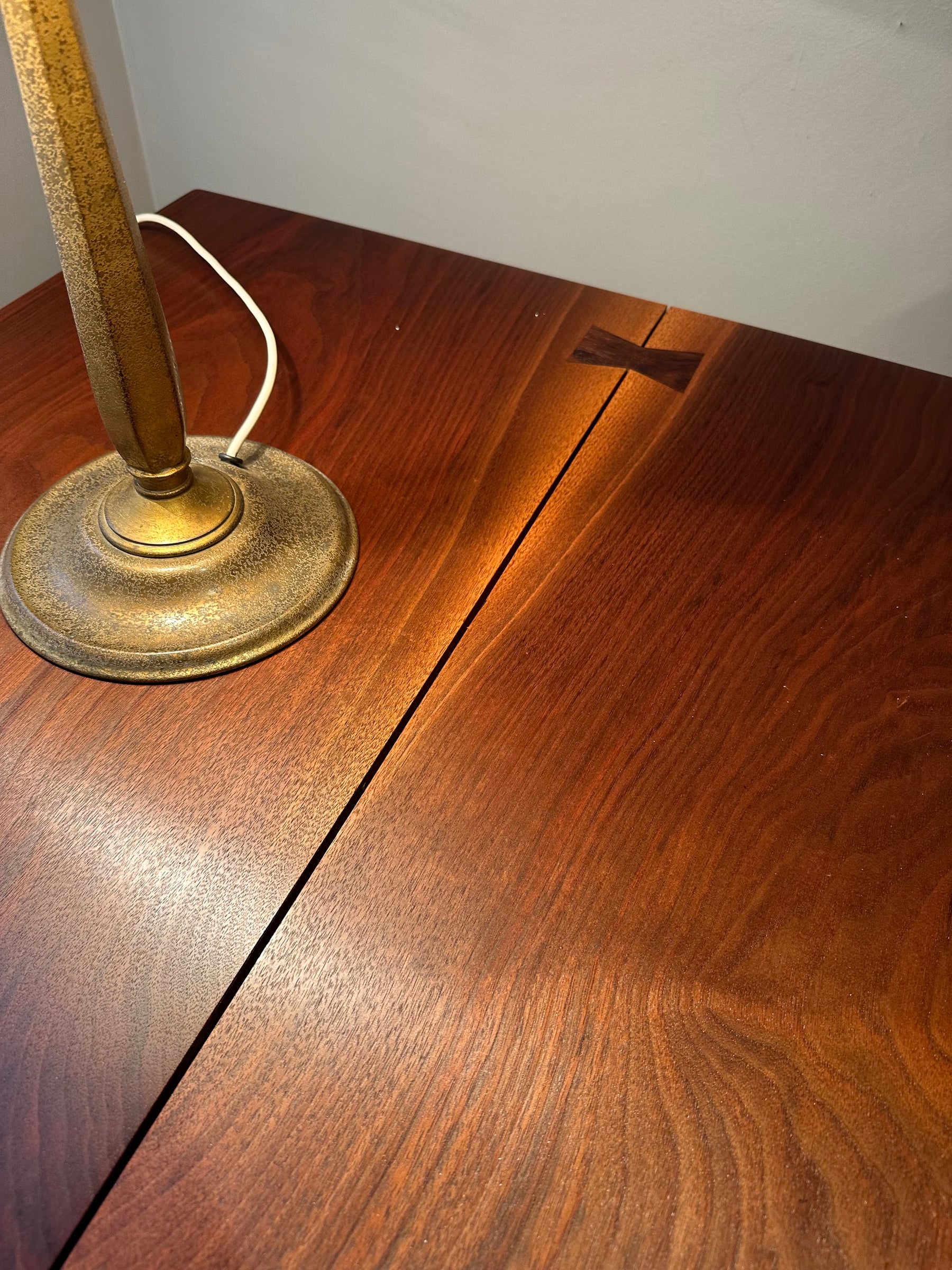
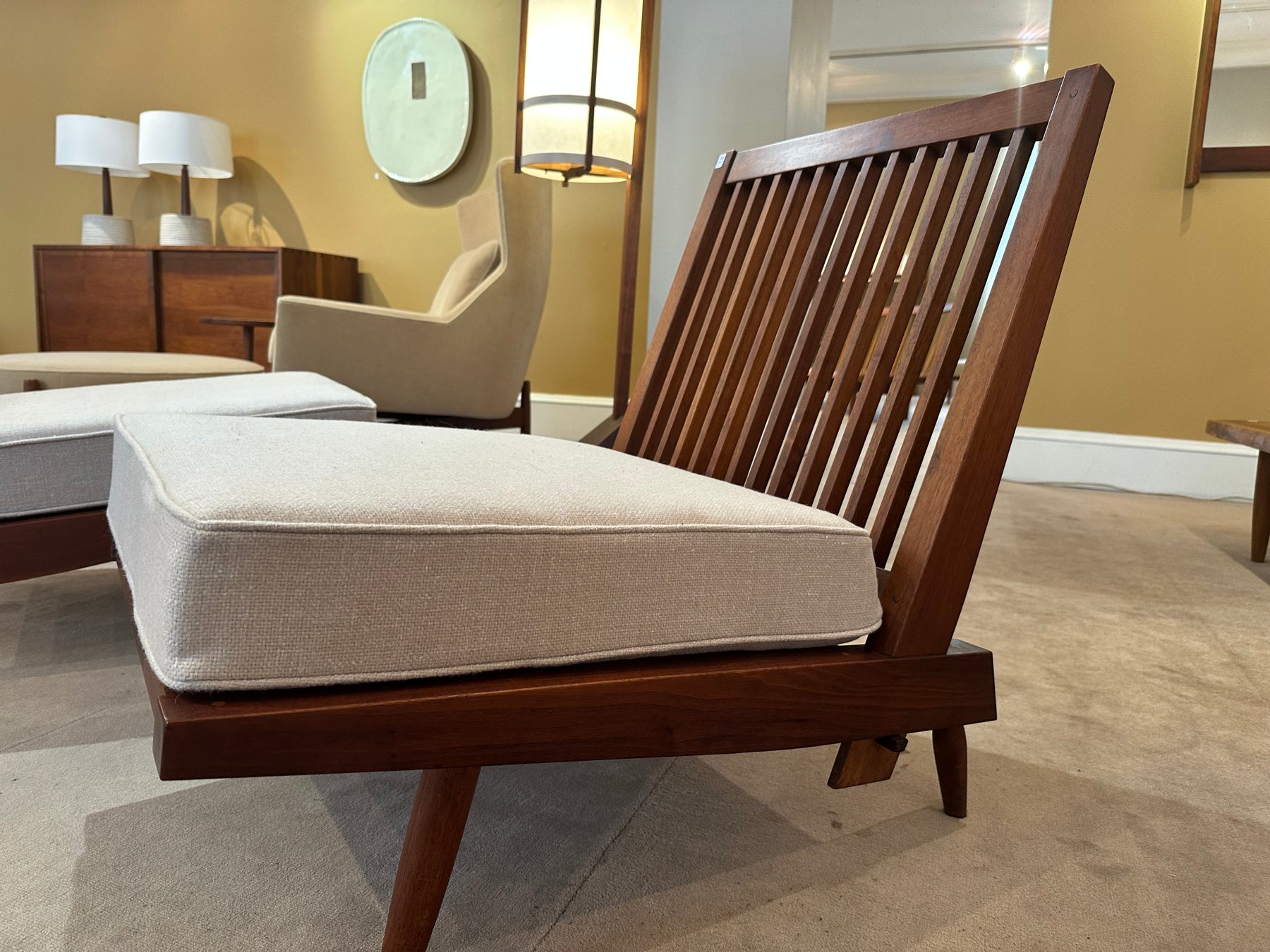
I will let the reader see for themselves, through these few photos (taken without permission, which I hope the owner of PIASA will kindly forgive), the beauty of his work.
Wharton Esherick — 1931:
This American school of woodworking has nourished our work from the very first day. We have set out elsewhere what we owe it — and where we deliberately part ways.